
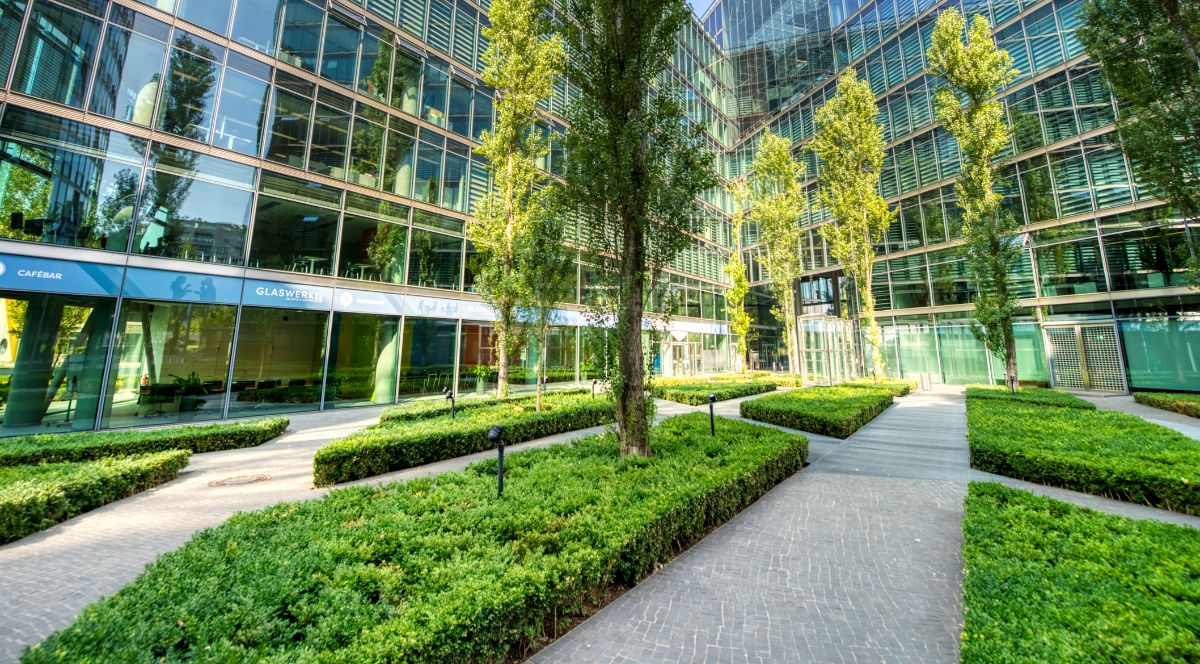
Managing a commercial estate or business park comes with enough moving parts without having to…

5 Signs Your Pretoria Garden Needs Professional Restoration
Estimated Reading Time: 6 minutes
Key Takeaways
- Bare Soil Epidemic: Extensive exposed soil indicates systemic failure requiring professional soil restoration
- Drainage Disasters: Standing water after Pretoria’s summer storms signals urgent intervention needs
- Plant Performance Collapse: Consistent yellowing and stunted growth across different plant species reveals underlying soil problems
- Weed Warfare: When kikuyu grass and khaki weed dominate your flower beds, professional restoration becomes essential
- Infrastructure Breakdown: Cracked retaining walls and broken irrigation in Pretoria’s clay soil conditions need expert repair
The Wake-Up Call: When Gardens Cry for Help
Picture this: You’re managing a Waterkloof business park where the entrance garden—once the property’s pride—now embarrasses visitors with brown patches, weedy mess, and a broken fountain. The monthly maintenance budget keeps increasing, yet the garden looks worse each season. Sound familiar?
In Pretoria’s challenging climate, this scenario plays out across many commercial and residential properties annually. The harsh reality? What starts as a simple maintenance issue can spiral into an emergency replacement if warning signs are ignored.
Pretoria’s unique combination of clay soil, dramatic seasonal temperature swings, and unpredictable rainfall creates specific garden challenges that routine maintenance cannot address. When these environmental stresses overwhelm a garden’s resilience, only professional restoration can restore functionality and beauty.
At Green Cube Maintenance & Landscaping, we’ve rescued gardens from Menlyn to Montana, transforming disasters into showcases. Here are the five critical warning signs that separate gardens needing simple maintenance from those requiring complete professional restoration.
Sign 1: The Bare Soil Takeover
What You’ll See in Pretoria Gardens
Walk through complexes in Centurion or estates in Waterkloof Heights, and you’ll spot them immediately: large brown patches where plants once thrived, particularly in areas facing north or west. These bare zones typically expand each season, creating an increasingly patchy, unprofessional appearance.
Why Pretoria’s Climate Makes This Worse
Our clay-heavy soil becomes concrete-hard during dry spells, preventing water penetration. When the rains finally arrive, they run off rather than soaking in, leaving plants stressed and vulnerable. Dead plants leave soil exposed, which then bakes and becomes even more inhospitable.
The Professional Solution
Restoration requires breaking the clay-compaction cycle using Culterra Compost to rebuild soil structure from the ground up. Professional teams assess drainage patterns, test soil pH, and select plants specifically suited to Pretoria’s clay conditions and temperature extremes.
Amateur attempts typically involve throwing grass seed at hard soil and hoping for rain—an approach that fails spectacularly in our climate. For severely damaged gardens, our garden restoration and rehabilitation services provide comprehensive solutions that address root causes systematically.
Sign 2: The Persistent Puddle Problem
What You’ll See After Pretoria’s Summer Storms
Areas where water stands for days after those dramatic Highveld thunderstorms signal serious drainage deficiencies. These soggy zones often develop that distinctive sour smell of anaerobic soil conditions, particularly common in Pretoria East’s clay-rich areas.
Why This Kills Gardens in Our Climate
Pretoria’s clay soil becomes waterlogged easily but then switches to drought conditions rapidly. Plants can’t establish healthy root systems in these feast-or-famine moisture conditions, leading to perpetual stress and eventual death.
The Professional Solution
Effective drainage solutions require understanding Pretoria’s unique soil geology. Professional restoration includes strategic soil amendment with Culterra Mushroom Compost to improve clay soil structure, combined with proper grading and drainage infrastructure designed for our seasonal rainfall patterns.
DIY drainage attempts often create new problems by directing water toward buildings or neighboring properties—a costly mistake in our litigious property environment.
Sign 3: The Multi-Species Performance Collapse
What You’ll See Across Pretoria Properties
When roses, indigenous aloes, and exotic perennials all struggle simultaneously despite different care requirements, you’re witnessing systemic soil failure. This is particularly evident in older Pretoria suburbs where soil has been depleted by decades of inappropriate management.
Why Our Soil Conditions Create This Problem
Pretoria’s alkaline clay soil often locks up essential nutrients, creating deficiencies even in fertilised gardens. The dramatic pH swings between wet and dry seasons further stress plants adapted to more stable conditions.
The Professional Solution
Professional soil testing reveals specific pH and nutrient imbalances unique to your property’s microclimate. Solutions include strategic soil replacement, pH correction, and replanting with species proven successful in local conditions. Culterra Germination Mix ensures new plantings establish successfully despite challenging soil conditions.
Continued fertilising and watering of struggling plants often worsens problems by creating imbalanced growing conditions that further stress already compromised plants. For gardens with multiple struggling areas, consider starting with a professional once-off cleaning service to assess and address immediate problems before implementing comprehensive restoration.
Sign 4: The Invasive Species Victory
What You’ll See in Declining Pretoria Gardens
Kikuyu grass invading flower beds, khaki weed dominating lawn areas, and alien Port Jackson trees sprouting everywhere indicate weakened garden ecosystems. These aggressive species thrive in disturbed, nutrient-poor conditions that stress desirable plants.
Why Weeds Win in Pretoria
Our climate heavily favours aggressive species adapted to disturbed soils and extreme conditions. Once established, these invaders create conditions that further disadvantage desired plants, accelerating garden decline.
The Professional Solution
Restoration requires re-establishing soil health to favour desired plants whilst systematically removing established weed populations. This involves strategic soil improvement, selective herbicide applications by licensed professionals, and replanting with competitive species that naturally suppress reinvasion.
Repeated amateur herbicide applications often create resistance whilst damaging soil biology and beneficial plant growth—a particular problem with Pretoria’s persistent weed species.
Sign 5: The Infrastructure Domino Effect
What You’ll See in Aging Pretoria Properties
Cracked retaining walls in Waterkloof Ridge, collapsed irrigation lines in Menlyn complexes, and failed drainage systems in Centurion estates indicate infrastructure problems that cascade through entire garden systems.
Why Our Soil Movement Destroys Infrastructure
Pretoria’s expansive clay soils shift dramatically between wet and dry seasons, creating movement that destroys infrastructure not designed for these conditions. Failed infrastructure then creates waterlogging, erosion, and access problems that accelerate garden decline.
The Professional Solution
Comprehensive restoration addresses infrastructure systematically, using materials and techniques proven effective in our challenging soil conditions. Professional teams coordinate multiple trades whilst maintaining property functionality throughout restoration.
Piecemeal infrastructure repairs typically fail because they don’t account for our soil movement patterns or integrate properly with existing systems, leading to repeated failures and escalating costs.
The Early Intervention vs Emergency Replacement Reality
Early Intervention Benefits
Properties addressing these warning signs promptly through restoration prevent much more costly emergency replacements. Early action also allows phased restoration that maintains property functionality.
The Cost of Delay in Pretoria’s Market
Deteriorating commercial landscapes affect property values significantly in Pretoria’s competitive market. Residential properties also suffer, particularly in premium suburbs where garden standards directly impact neighbourhood property values.
Emergency Replacement Reality
Properties that delay restoration often face emergency landscape replacement during peak seasons, resulting in higher costs and limited plant availability. For severely damaged lawn areas, instant lawn installation may be necessary to restore immediate functionality whilst longer-term restoration addresses underlying problems.
Professional Assessment: The Property Diagnosis
Comprehensive Site Evaluation
Professional restoration begins with systematic assessment of soil conditions, drainage patterns, plant health, and infrastructure status specific to your property’s location within Pretoria’s diverse microclimates.
Restoration Planning for Local Conditions
Based on assessment results, professional teams develop restoration plans that work with Pretoria’s climate rather than fighting it, ensuring long-term success rather than temporary improvements.
Phased Implementation Options
Professional restoration provides flexible implementation schedules that allow property managers to spread work whilst maintaining functionality throughout the restoration process.
Frequently Asked Questions
1. How quickly can I expect to see results from professional restoration in Pretoria’s climate?
Most restoration projects show immediate visual improvement within a few weeks, with full establishment typically achieved within one growing season. Pretoria’s reliable summer rainfall patterns support rapid recovery when soil conditions are properly prepared.
2. What should I consider when budgeting for garden restoration in Pretoria?
Garden restoration investments vary depending on property size and problem severity. The key is that professional restoration often reduces ongoing maintenance requirements significantly, providing long-term value beyond the initial investment.
3. Can restoration work during Pretoria’s dry winter months?
Winter is often ideal for restoration work as it allows soil preparation and infrastructure installation without disrupting growing seasons. Plants installed during winter establish strong root systems before facing summer stress, improving long-term success rates.
Transform Your Problem Garden Into Pretoria’s Showcase Property
Recognising these five warning signs provides the opportunity to restore your garden before problems become overwhelming financial burdens. Professional restoration addresses the unique challenges of Pretoria’s climate and soil conditions, ensuring long-term success rather than continued struggle.
At Green Cube Maintenance & Landscaping, our comprehensive restoration programmes transform problem gardens into thriving landscapes that enhance property value whilst reducing ongoing maintenance requirements. From soil restoration to infrastructure repair, we provide complete solutions proven effective in Pretoria’s challenging conditions.Don’t let garden problems escalate into emergency replacements that could cost significantly more than proactive restoration. Contact Green Cube Maintenance & Landscaping today for a professional garden assessment, or explore our range of restoration products designed specifically for South African conditions. Let our expertise transform your problem garden into the thriving landscape that sets your property apart in Pretoria’s competitive market.

Related Posts


Comments (0)